
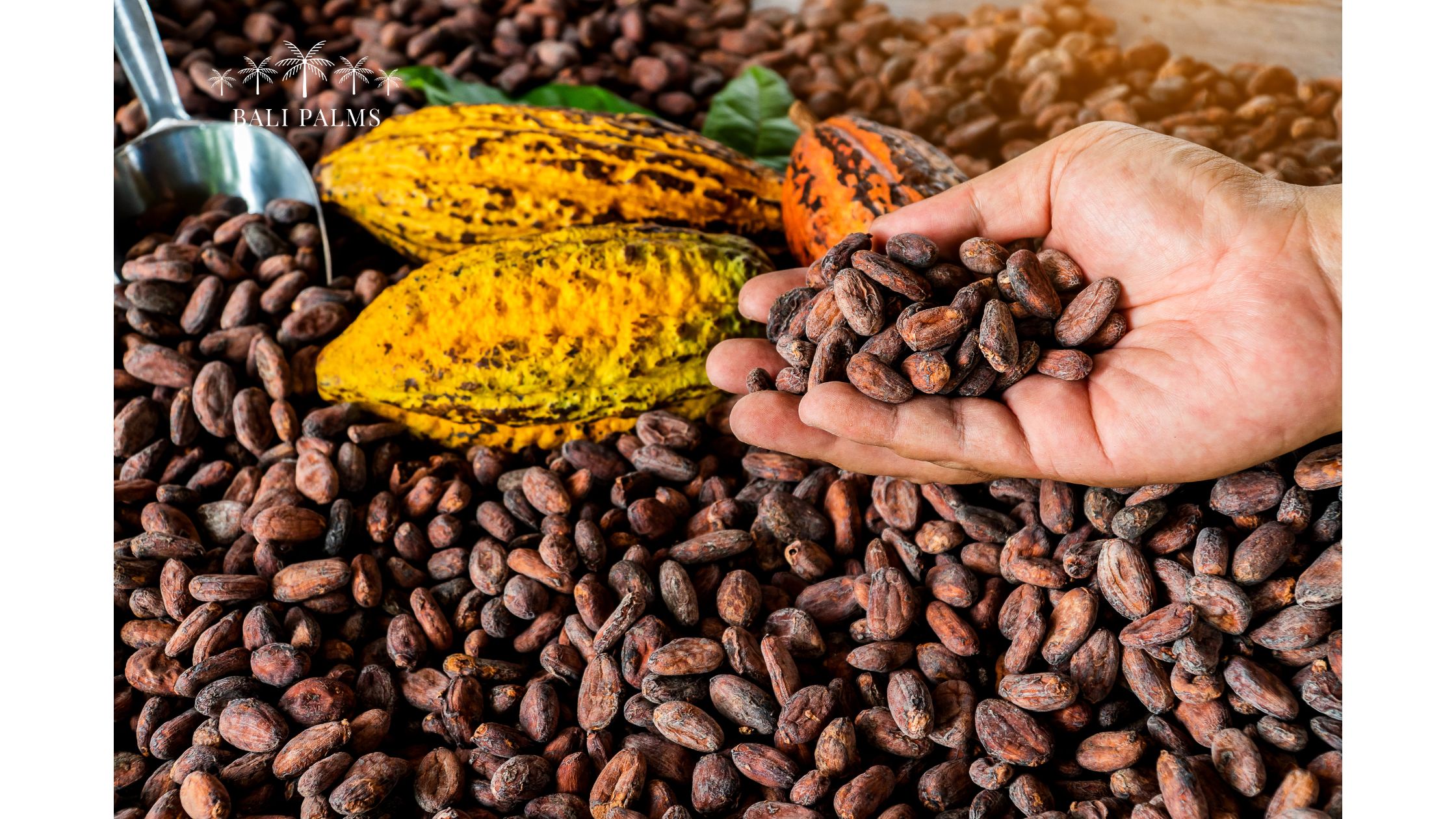
Six weeks ago, booking a chocolate tour Bali felt like a last-ditch effort to find something real on an island that had disappointed me twice. As a freelance graphic designer burned out on superficial branding and travel, I sought genuine connection not another Instagram moment.
What I found in Tabanan’s cacao farms was more than chocolate making; it was a complete shift in how I saw authentic travel and meaningful craft. This tour rescued my creative spirit and revealed Bali’s true heart.
What You’ll Discover:
- How Bali’s chocolate scene connects deeply to traditional farming communities and cultural practices
- The sensory journey from cacao trees to artisanal chocolate in small jungle factories
- Why bean to bar chocolate making reveals lessons about patience, craft, and authenticity
- The real difference between tourist-focused chocolate shops and community-rooted experiences
Why Previous Bali Trips Left Me Hollow (And Why Chocolate Changed Everything)
The first Bali trip was typical Instagram tourism beach clubs, infinity pools, and obligatory rice terrace photos. Beautiful scenery, no substance. The second trip was a “cultural tour” promising authenticity but delivering staged ceremonies and rehearsed smiles. Even the monkey forest stop felt like ticking a box.
Yet, something kept drawing me back. Researching retreats in Tabanan, away from tourist circuits, I found Bali Palms offering genuine cultural immersion through curated experiences, including chocolate tours with local farming communities.
What Creative Burnout Actually Looks Like
Working remotely across Southeast Asia sounds dreamy until every co-working space starts to blur together, every startup wants the same “authentic yet modern” aesthetic, and the work that once felt meaningful becomes mechanical.
That hollow feeling from disappointing travels was mirroring the emptiness in the work itself. The search wasn’t really for a chocolate tour in Bali it was for a reminder of why craftsmanship matters, why taking time to create something with intention still has value in a world obsessed with speed.
Booking one of Bali Palms’ tailored packages felt different from typical holidays. The emphasis on selected activities rooted in local culture, combined with the retreat’s location in Tabanan the heart of Bali’s traditional farming regions suggested they understood the difference between tourism and genuine connection.
Glad to have found something that didn’t promise the same company’s generic “authentic experience” voucher that every travel site was pushing.
Discovering Bali’s Real Chocolate Heritage: The Journey Begins
From Tourist Hub to Authentic Cacao Country
The morning started with pickup from Bali Palms at 8 AM transport included in the package made logistics easy.
As the driver left the usual tourist routes toward rural Tabanan, the landscape changed. Real villages appeared not tourist spots, but places where people live and work. Skepticism lingered, but hope grew.
Staying at Bali Palms meant authentic cacao farms were nearby, not distant attractions. The retreat’s relationships with local farmers were genuine partnerships built over time, not transactional tourism deals you find through generic tour companies.
Walking Among Balinese Cacao: Where Culture Meets Agriculture
Arriving at the farm, there was no polished visitor center or chocolate shop just a simple bamboo structure and Pak Wayan, a warmly welcoming farmer. Our small group of four felt immediately different from typical crowded Bali tours.
The cacao plantation was another world. Humid air carried the scent of earth and plants. Pak Wayan walked among cacao and fruit trees, sharing stories of his grandfather and their family’s role in the Subak Abian, a traditional community system blending agriculture and spirituality.
“This is not just a farm,” he said, touching a cacao pod. “This is our culture. Our responsibility.”
Later research confirmed that Balinese cacao farmers like Pak Wayan possess deep knowledge and a strong sense of duty toward their land (Jaya et al., 2023). Seeing this firsthand broke my skepticism.
Understanding Bali’s Chocolate Makers: Beyond the Tourist Shops
The Difference Between Retail and Craft
Bali has seen explosive growth in chocolate over the past decade artisan chocolate production has increased 400% through sustainable farming practices. But this growth created a split between authentic producers and tourist-focused retail operations.
Many chocolate shops along Bali’s main road sell products made elsewhere. They offer free tasting to draw customers, stock various brands, provide good service but they’re not making chocolate themselves. Nothing wrong with this business model, but it’s fundamentally different from visiting actual chocolate makers.
True bean to bar operations like the one in Tabanan, or small companies like Sorga Chocolate, Junglegold Chocolate Factory, and others scattered around Ubud and East Bali, control the entire process.
They source cacao beans directly from local farmers, roast and grind on-site at their main factory, create their own recipes using locally sourced ingredients, and can tell you exactly which village your chocolate bar originated from.
Meeting Bali’s Ethical Chocolate Community
What distinguishes authentic chocolate experiences is meeting the actual makers. Building relationships with farmers and women-led cooperatives who produce exceptional chocolate reveals people passionate about fair trade and ethical sourcing.
During the tour, conversations touched on how Bali’s small producers face pressure from larger companies offering cheaper products made with cocoa from elsewhere in Indonesia or internationally.
When travelers choose authentic, locally-rooted chocolate tours over mass-market experiences, they support something fragile and valuable families who view chocolate making not just as business but as craft and cultural preservation.
This is precisely why Bali Palms partners directly with these farming communities rather than working through large tour companies.
The retreat’s Mind, Body and Soul packages, along with their Escape and tailored options, integrate cultural experiences that genuinely benefit local families ensuring that what guests pay for activities flows back to people like Pak Wayan and Ibu Ketut rather than disappearing into corporate profit margins.
How to Choose Your Chocolate Tour in Bali: A Guide Born from Experience
What Makes a Tour Truly Authentic
After disappointing experiences on previous Bali trips, I learned to spot red flags in chocolate tours:
Small groups: Four to six people max. Large groups mean less authentic experiences.
Farm visits: Genuine tours include walks among cacao trees, not just shops.
Hands-on making: The best tours let you roast, grind, and mold your own chocolate bar.
Direct farmer ties: Operators should name farmers and show how money supports them.
Education over selling: Focus should be on learning about cacao and craft, not hard sales.
Integrating Chocolate Tours into a Deeper Retreat Experience
One revelation from this trip: chocolate tours have a greater impact when integrated into broader wellness experiences rather than rushed as standalone activities. Staying at Bali Palms meant the chocolate tour connected with other package activities morning yoga, meals with local ingredients, and time for reflection.
This approach allowed space to process the tour’s insights instead of rushing to the next attraction. Their Romance packages combine chocolate tours with couples’ experiences emphasizing connection, while Escape packages offer flexible balance between activity and rest.
Even yoga-focused retreats benefit, as watching artisans practice craft mirrors mindfulness. Luxury accommodation and included meals enhanced comfort and reflection after jungle tours, with some packages offering vouchers for extra activities or spa services.
Practical Details for Your Chocolate Journey
Location and transportation: Most authentic cacao farms and small chocolate factories are in rural Tabanan or outside central Ubud, not along tourist-heavy main roads. Transportation options include:
- Hiring a private driver for flexibility and stops at rice terraces or other sites
- Booking through retreats like Bali Palms, which include transport
- Some tours offer pickups from Ubud, Canggu, or Seminyak
Bali Palms’ packages include local drivers familiar with rural roads, removing transport stress and allowing flexible timing.
Best timing: Morning tours are ideal—cooler jungle temperatures, stronger cacao aroma, and energy to fully engage. The described tour ran from 8 AM to 11:30 AM, perfect for returning to Bali Palms for lunch or afternoon activities.
What to wear and bring:
- Closed-toe shoes for muddy, uneven paths
- Light, breathable clothes for humidity
- Reusable water bottle
- Sun protection, though much tour is shaded
- Bag space for chocolate purchases
Costs and value: Independent authentic tours cost $60-100 USD per person. Bali Palms packages bundle activities with luxury accommodation, meals, and transport, often offering better value and supporting local communities.
Dietary considerations: Most artisanal dark chocolate is naturally vegan, but some include local ingredients like coconut milk or honey. Confirm if you have restrictions. Chocolate makers and Bali Palms emphasize ingredient transparency for consistency.
Supporting Bali’s Chocolate Community: Why Your Choice Matters
The Reality Small Producers Face
Bali’s artisan chocolate makers operate in a challenging environment. While production has grown significantly, small producers still face pressure from larger companies that can source cheaper cocoa from elsewhere in Indonesia or internationally, produce at industrial scale, and undercut prices.
Research on Bali’s cacao industry confirms this tension small-scale producers have immense potential but need support to compete with larger operations (Journal of World Trade Studies, 2021).
When travelers choose authentic chocolate tours, purchase directly from bean to bar makers at their store or main factory, and spread word about ethical producers, they’re not just consumers they’re partners in sustainability.
The Difference One Tour Makes
Choosing carefully matters. The difference between booking a mass-market tour through an international company versus a community-rooted experience like the one facilitated by Bali Palms isn’t just about your experience it’s about where money flows and what kind of tourism Bali develops.
Mass tours might cost less initially, but profits typically leave the island or concentrate in large businesses. Authentic tours integrated into retreat packages cost more upfront but ensure money stays with the families doing the actual work.
Over time, tourist choices shape what survives. Support what you want to see continue. Don’t miss the opportunity to make travel choices that genuinely benefit the communities you visit.
Frequently Asked Questions
What’s the best chocolate tour Bali experience for first-time visitors?
Look for small-group tours (max 6 people) that include cacao farm visits and artisanal chocolate factory time. Tours starting in Tabanan or rural areas near Ubud are more authentic than those focused on retail shops in tourist zones.
The Bali Palms tour includes transportation, farm walk, factory visit, chocolate tasting, and making your own chocolate bar a comprehensive 3-4 hour introduction to Bali’s chocolate culture. This beats coordinating multiple store visits or relying on rushed voucher deals.
How can I tell if a chocolate experience is authentic versus just tourist-focused?
Authentic chocolate tours feature small groups, direct ties to named farmers and villages, prioritize education over sales, offer fair pricing supporting producers, and emphasize bean-to-bar processes rather than just tastings.
Red flags include large groups, overly cheap prices, rushed multi-attraction tours, and visits only to retail shops without farm or production access. Tours offering free tasting without insight into chocolate making or farmer benefits focus mainly on sales.
Ask about money flow and farmer support authentic operators respond enthusiastically and in detail.
What’s the difference between chocolate shops in Bali and actual chocolate factories?
Most chocolate shops along main road are retail operations they sell chocolate made by various companies and offer free tasting to attract customers, but they’re not producing chocolate themselves. These store locations provide convenient shopping and sample various brands, but you won’t see actual chocolate making.
Companies like Sorga Chocolate, Cau Chocolates, and Mason Chocolates have both production facilities (their main factory) and retail shops, so visiting their stores differs from typical retail-only operations. Actual chocolate factories focus on the production process you’ll see roasting, grinding, molding, smell the incredible aroma of chocolate being made, and watch artisans work.
Some factories like Junglegold Chocolate Factory also have gallery spaces where you can observe the process while enjoying coffee or drinks.
Both serve purposes: shops are convenient for buying delicious chocolate to bring home; factories provide education and connection to the complete bean to bar journey.
You might also like: How My Bali Healing Experience Transformed Years of Wall Street Stress