
By Hanna, Registered Nurse
Three months ago, a plane ticket to Bali was purchased with shaking hands and a maxed-out credit card, convinced it was either going to lead to a way back or result in coming home to submit a resignation.
After nearly 24 hours of travel and landing at Ngurah Rai International Airport, what followed was a journey that transformed not just a vacation, but an entire approach to caregiving.
This is that story, because if you’re a nurse, therapist, social worker, or anyone who gives pieces of yourself away every day until there’s nothing left, you need to know there’s a way back to yourself in this beautiful island.

What You’ll Discover:
- How choosing an intimate wellness retreat over typical Bali vacation packages created space for genuine transformation rather than temporary escape
- Why integrating Balinese culture and traditional healing practices offered deeper solutions than conventional approaches to burnout
- Practical grounding techniques learned in the rice terraces and lush forests that now work in high-stress hospital environments
- How conscious travel to Bali island became an investment in professional sustainability rather than just another tropical paradise getaway
Why a Desperate ICU Nurse Chose Bali Over Traditional Solutions
My name is Hanna, and nursing in a large metropolitan hospital’s ICU was supposed to be about holding space for people in their most vulnerable moments. For the first few years, that’s exactly what it was. Then the pandemic hit, and something broke in a way that didn’t know how to be fixed.
The Breaking Point: When Compassion Becomes Exhaustion
By early 2024, it was a textbook case of compassion fatigue. Sleep rarely lasted more than four hours without jolting awake, replaying the patients who couldn’t be saved. Neck and shoulders were perpetually knotted with tension.
Worst of all was the cynicism and emotional numbness the exact opposite of why nursing was chosen. Going through the motions with patients brought guilt that was almost worse than the numbness itself.
What Didn’t Work: The Conventional Approach
Everything was tried the “right” way first. The hospital’s mental health resources were helpful in a clinical sense. The doctor prescribed antidepressants, which took the edge off.
A yoga mat was purchased for YouTube videos at home. Even a long weekend at the beach with two other nurses was attempted, though most of it was spent drinking wine and complaining about administration.
None of it was wrong, exactly. Therapy kept things functional. Medication kept things safe. But nothing addressed the core wound: the ability to witness suffering without absorbing it into the body had been lost.
The Decision to Visit Bali: Desperate Hope Meets Deep Skepticism
When a colleague mentioned her trip to Bali for a wellness retreat, it was initially dismissed. Bali was associated with party hostels at Kuta Beach and Instagram influencers. But at 2 a.m. one night after a particularly horrific shift, searching for “healing retreat” led to Bali Palms, a small wellness center near Mount Batukaru in central Bali.
The hope was desperate but the skepticism was deep. This would cost most of the savings and two weeks of precious PTO. What if it was just another expensive band-aid? But the breaking point had arrived. Without trying something radically different, leaving nursing entirely felt inevitable.
Planning an Authentic Healing Journey to Bali Indonesia
Unlike typical tourist destinations where visitors rush between beach clubs and popular cities, this trip required different planning. It wasn’t about finding the best deals on Bali vacation packages or booking luxury resorts in Nusa Dua. It was about creating space for genuine healing in one of South east Asia’s most spiritually rich environments.
Choosing Intimate Healing Over Tourist Crowds
The Bali travel guide research made one thing clear: there’s a profound difference between staying in sprawling resort complexes on the west coast and choosing an intimate retreat in central Bali. When you’re one of twenty guests instead of one of two hundred at a beachfront hotel, you’re not just a room number.
A study on tourism in Bali found that a tourist’s personal experience is a significant factor in their desire to return, which reinforces what became clear: small-scale experiences foster real healing, not temporary escape from reality.
Bali Palms, located in the lush forests near Mount Batukaru, offered exactly this a genuine connection to both nature and local culture while ensuring comfort and safety. It’s the antithesis of the large hotel complexes that dominate areas like Kuta and the south coast.
Preparing Mindfully for Transformation
The journey to Bali began long before boarding the Bali flight. Preparation shapes the depth of healing received. Starting a journal, practicing a small digital detox, and setting intentions mattered.
What was being sought? What was ready to be released? Arriving at Ngurah Rai Airport with an open, curious heart proved more valuable than any travel guide. This mindful preparation created a vessel ready to be filled with the peace and wisdom this beautiful island has to offer.
Understanding Bali’s Geography and Culture
Bali island isn’t just one experience it’s a diverse landscape. The west coast with Tanah Lot Temple offers dramatic ocean views. The cultural hub of Ubud sits in the central area, surrounded by rice paddies and art galleries.
The east coast remains quieter, with traditional villages and Mount Agung towering in the distance. Understanding these Bali areas helps visitors choose experiences that match their needs.
For healing work, central Bali’s cooler climate and distance from crowded beach destinations made it ideal. The land here feels different more grounded, more connected to the spiritual roots of Balinese culture.
Experiencing Traditional Healing and Balinese Wisdom
Real Bali isn’t found on a postcard or in typical vacation itineraries. It’s felt in the scent of incense in morning air, the sound of geckos in the evening, and genuine smiles exchanged with villagers in the rice fields. What unfolded over two weeks went far beyond any dream vacation it was a complete reorientation to caregiving, suffering, and sustainable compassion.
Arrival: From Ngurah Rai International Airport to Mountain Sanctuary
Landing at Rai International Airport after nearly 24 hours of travel brought exhaustion and anxiety. Airport transfers were arranged by the retreat, crucial after such a long journey.
The two-hour drive from the airport wound through increasingly rural landscapes past the busy streets of Kuta, away from the resorts of Nusa Dua, deeper into the heart of the island where rice terraces glowed green in afternoon light.
When Bali Palms was finally reached, what struck was how small and intimate it felt maybe twenty guests total, tucked into jungle with views of rice fields stretching toward Mount Batukaru. The Guest Experience Coordinator asked a question nobody had asked in years: “What are you seeking here?” Tears almost came right there in the open-air lobby.
The First Days: Resistance and Surrender in Paradise
Honesty requires saying the first two days were hard. The nervous system was so wired for crisis that existing in a place with no emergencies felt foreign.
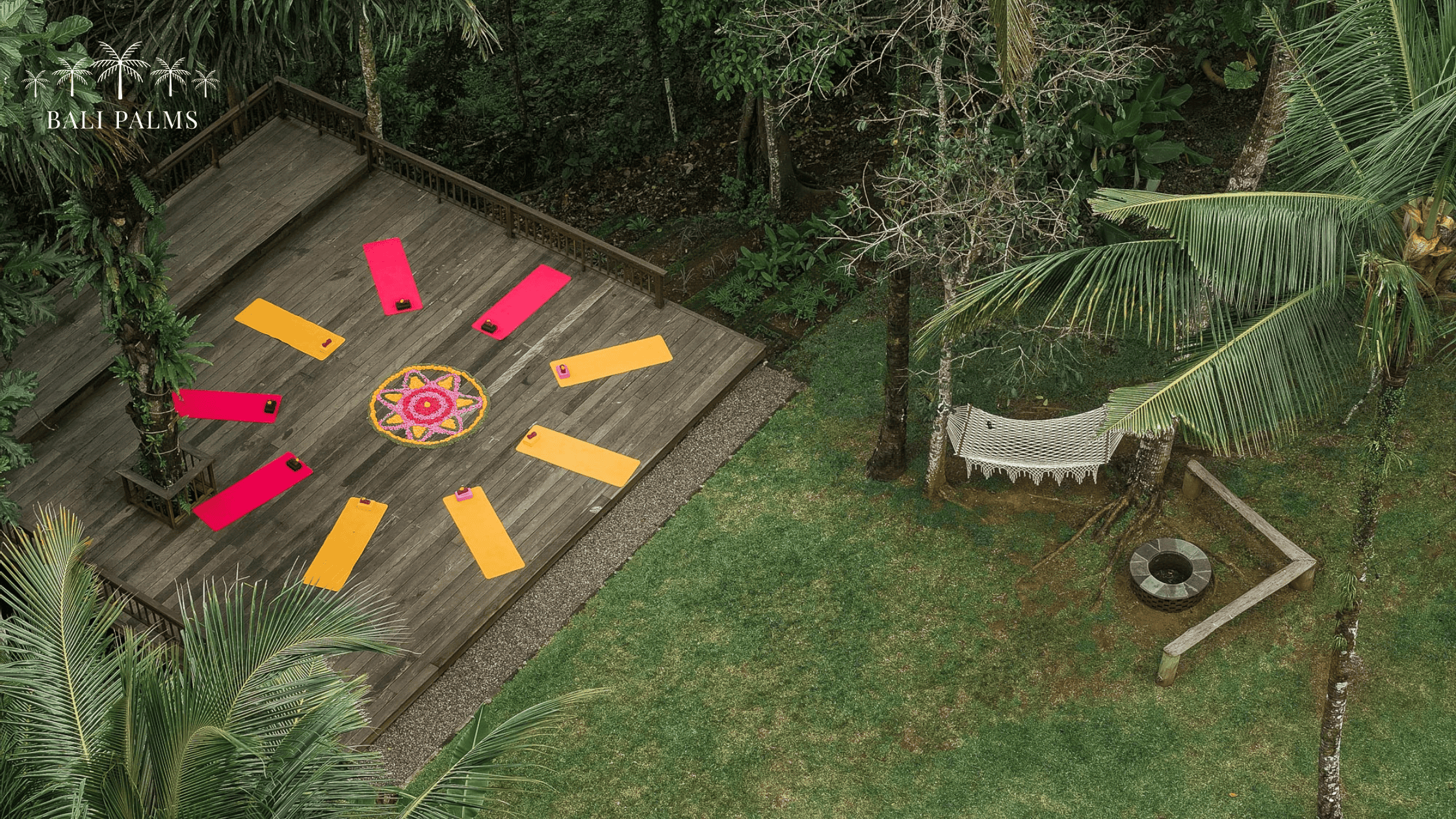
The schedule was simple: morning meditation and yoga overlooking a waterfall, breakfast with fresh fruit from village markets, cultural activities or healing sessions, free time to explore, evening gatherings, dinner featuring local cuisine at on-site restaurants.
On the third morning, a walk through rice terraces to a hidden waterfall wasn’t a guided meditation just a walk. The path was muddy, and focus was on not slipping in sandals, when suddenly looking up brought a complete stop.
The rice paddies stretched in every direction, impossibly green, with small offerings placed in the fields and the sound of water moving somewhere nearby. It was so still. Tears came not sad crying, but overwhelming recognition that stillness being this powerful had been forgotten.
One of the staff members walking with the small group just stood there for a moment and quietly said, “That’s it. That’s what you came here for.” The feeling was just allowed to be.
Traditional Healing: A Different Approach Than Western Culture
A Balinese healer an older woman from the village came to lead wellness sessions. Through translation, she said something that completely shifted understanding: “In the West, you separate mind, body, spirit. Here, they are one thing. When one suffers, all suffer. When one heals, all heal.”
That was the problem all along. Insomnia had been treated like a sleep problem, tension headaches like a pain problem, emotional numbness like a mental health problem. But they were all the same wound requiring holistic healing.
The sessions combining meditation, breathwork, and energy work drawing on the Hindu religion’s ancient wisdom weren’t trying to “fix” individual symptoms. They addressed the whole system.
This integrated approach is foundational to wellness throughout the island, reflecting Indonesia’s goal to make Bali a center for wellness tourism that highlights its unique local wisdom, as noted by the Ministry of Tourism.
Learning to Hold Space Without Absorbing Pain
The most valuable learning came from a conversation with the coordinator after morning meditation. Sharing about the work, about how hard witnessing so much suffering was, brought insight thought about literally every shift now: “There’s a difference between holding space for someone’s pain and taking it into your body. Presence is possible without becoming the container for their trauma.”
Grounding practices were taught simple, practical things that could be done before and after shifts:
- Placing both feet flat on the floor and imagining roots growing down
- Taking three conscious breaths and saying internally, “This is witnessed, but it is not mine to carry”
- Washing hands mindfully after difficult moments, imagining water taking absorbed energy with it
These sound almost too simple, but they’ve been absolutely transformative in daily hospital work.
Integrating Balinese Culture: Beyond Tourist Experiences
Connection with the local village community happened in ways that felt genuine, not performative. A visit to a temple ceremony required wearing proper sarong and sash, moving respectfully and quietly.
Uluwatu Temple, perched on cliffs overlooking the ocean, offered another day trip where observation of Hindu rituals brought deeper understanding.
What struck most was how Balinese people integrate spirituality into every single day. It’s not something they do; it’s woven into how they are.
Small offerings placed everywhere, constant gratitude, acknowledgment of both seen and unseen worlds. The reminder came that caregiving can be sacred work, not just exhausting work.
When visitors explore Bali with genuine respect learning polite greetings, understanding temple etiquette, supporting local artisans doors to real connection open. This is what distinguishes meaningful travel from typical tourist experiences at crowded beach destinations.
The Power of Community: Fellow Healers Finding Their Way
What also wasn’t expected was how much community was needed, not just coping strategies. About fifteen people were there during those two weeks, and by the end of the first week, a little temporary family had formed. Three were healthcare workers a hospice nurse from Canada, an ER doctor from Australia, a therapist from the UK.
Hours were spent talking about the specific challenges of witnessing trauma for a living. For the first time in years, the feeling wasn’t one of being alone in the experience.
Other visitors included a social worker from Singapore and a first responder from New Zealand all of us caregivers who’d visited Bali seeking something deeper than sun and surf.
Unstructured Time: The Healing Power of Simply Being
There were also unstructured hours free time after lunch, evenings after dinner where just being was possible. Sitting by the waterfall and journaling happened. Walking through rice fields alone happened. A massage from a local practitioner somehow found every knot of tension and coaxed it out.
There was even a muddy 45-minute hike through jungle to a hidden hot spring that was not Instagram-worthy but was exactly what was needed uncomfortable and real and worth the effort. The journey filtered out casual tourists and rewarded committed seekers with something extraordinary.
These weren’t “activities” to check off. They were invitations to reconnect with a slower, more intentional rhythm something the perfect place for healing requires.
Bringing Bali’s Wisdom Back to the ICU
Coming home three months ago meant within two weeks being back in the ICU dealing with the same chaos, the same impossible decisions, the same heartbreak. But something fundamental changed in how movement through it happens.
Daily Practices That Actually Work
The grounding practices learned in Bali’s rice terraces are used before every shift now. When absorption of a patient’s or family member’s anguish starts to happen, there’s a pause, breath, and reminder: “Space can be held for this without it becoming mine.” It doesn’t always work perfectly, but it works enough.
A daily practice has been maintained just ten minutes each morning of breathwork and meditation learned during those two weeks. It’s not always easy to prioritize, but it’s become non-negotiable. It’s what keeps connection to that stillness found among the rice paddies.
Reconnecting With Sacred Purpose
Most importantly, reconnection with the spiritual dimension of nursing has happened. Sight had been lost that being present with someone in their most vulnerable moment is sacred work. The Balinese approach where spirituality isn’t separate from daily life reminded that honoring caregiving without self-sacrifice is possible.
And sleep is happening. Not perfectly, but sleep is happening year round now, through difficult shifts and challenging seasons.
Testing the Transformation Through Flu Season
These changes have been tested through a brutal flu season, staffing shortages, and the same systemic failures that contributed to burnout. And being here continues not just surviving, but actually present and compassionate. This isn’t the temporary glow of a tropical paradise vacation. This is sustainable transformation that’s held up under real-world pressure.
Practical Tips for Healthcare Workers Considering Bali
If consideration is being given to a healing journey to Indonesia, here are essential tips based on this experience:
Choose Intimate Retreats Over Resort Complexes
Small matters. Being one of twenty guests instead of staying at large hotels in tourist-heavy areas like Kuta Beach meant personalized attention crucial for healing.
Staff knew names, remembered conversations, adjusted experiences based on actual needs. Look for wellness centers in central Bali or the cooler climate areas rather than crowded beach destinations.
Plan for Real Disconnection
The location near Mount Batukaru, away from popular cities and beach clubs on the west coast, made actual disconnection possible. When exploring Bali for healing purposes, consider destinations away from the main tourist areas. Use resources like Google maps to research quieter locations, but be prepared to put devices away once there.
Understand Timing and Seasons
Bali’s rainy season runs roughly November through March, though the island remains beautiful and the land especially lush during these months. For those seeking fewer crowds and don’t mind occasional rain, this can be an ideal time to visit.
The dry season sees more tourists and visitors, particularly around beaches and popular temples like Tanah Lot.
Respect Cultural Practices
When visiting temples whether Uluwatu Temple on the cliffs, Ulun Danu Beratan Temple by the lake, or smaller village temples always wear appropriate clothing. Sarongs and sashes are usually available for rent. Cover shoulders, avoid pointing feet at sacred objects, move mindfully. This respect isn’t burdensome; it’s part of learning to move through the world with reverence.
Budget Realistically
This isn’t about finding cheap Bali vacation packages. Healing requires investment. Consider this triage, not luxury. Factor in the Bali flight (which can be lengthy from most Western cities), airport transfers, accommodation at a quality retreat, and some spending money for day trips and local experiences. It’s expensive, but compare it to the cost of leaving a profession entirely.
Prepare for Bali Belly
Many visitors to Southeast Asia experience digestive issues. Bring appropriate medication, drink bottled water, be cautious with street food initially. Most reputable hotels and wellness centers serve safe food, but it’s wise to prepare. This is temporary and shouldn’t deter the trip.
Consider Blue Bird Taxis
For any transport needs beyond arranged airport transfers, Blue Bird is a reliable taxi service throughout the island. They use meters and are considered trustworthy, helpful for any independent exploration of other destinations or day trip planning.
Frequently Asked Questions
Is Bali Safe for Solo Travelers Seeking Authentic Healing Experiences?
Yes, absolutely. Bali is very welcoming for solo travelers, particularly those visiting for wellness purposes. The key is having professional coordination and local guidance, especially when exploring areas beyond typical tourist destinations. Staying at a retreat with strong community ties ensures a trusted network and support system.
Safety concerns often focus on crowded areas like Kuta or Nusa Dua where petty theft can occur, but wellness centers in central Bali’s quieter regions offer a different experience entirely.
Throughout two weeks of the trip, including hikes to remote locations and visits to village ceremonies, feeling unsafe never happened. The staff’s local connections created a protective network.
For those worried about traveling alone to Southeast Asia, choosing a structured wellness retreat rather than backpacking between destinations provides security while still offering authentic cultural immersion.
How Can Healthcare Workers Make the Most of Limited Time in Bali?
Short answer: Prioritize depth over breadth. Rather than trying to visit every temple, explore every beautiful beach, and hit all the restaurants in different cities, choose one meaningful home base and go deep.
Many healthcare professionals have limited vacation time, making two weeks feel like a luxury. The temptation when planning any vacation is to maximize experiences booking day trips to Mount Batur, surf lessons at various beaches, villa hopping between Ubud and the coast. But healing doesn’t work that way.
Staying in one location particularly in central Bali rather than moving between the east coast, west coast, and popular beach areas allows nervous systems to actually settle. It creates space for the kind of deep rest that isn’t possible when constantly packing and moving to the next hotel.
For those with only one week, consider focusing entirely on a single retreat experience rather than combining it with typical Bali sightseeing. The temples and beautiful beaches will still be there. What matters most is creating enough stillness for transformation to begin.
Do You Need Experience with Yoga, Meditation, or Spiritual Practices?
Not at all. Hundreds of guests have been guided through wellness programs, from complete beginners to experienced practitioners. Every session is adapted to comfort levels and individual goals. The focus is on personal journey of renewal, not achieving perfect poses or reaching certain meditation states.
This was a particular concern before the trip never having done serious meditation or yoga, self-consciousness about being a beginner felt real. But the beautiful island of Bali, with its integration of spiritual practice into daily life, makes these experiences accessible rather than intimidating.
Western culture often approaches wellness as another thing to master or compete in. Balinese culture offers a gentler invitation: practices as a way of being, not doing. This makes the island a perfect place for beginners who need healing but feel intimidated by typical yoga retreats or spiritual destinations.
Who Should Consider This Journey
If you’re a nurse, therapist, social worker, first responder, or anyone in a caregiving profession experiencing these signs, please listen: feeling emotionally numb or cynical about work once loved; physical symptoms like insomnia, headaches, or constant tension; dreading going to work; feeling like nothing is left to give; considering leaving the profession entirely.
These aren’t signs of weakness or wrong career choice. They’re signs that giving from an empty cup has gone on too long. More than a weekend at a beach or a new therapist is needed. Remembering why this work was chosen and learning how to do it sustainably is what’s required.
Bali specifically and particularly intimate wellness retreats in central areas away from the typical tourist experience offers something unique.
The integration of traditional healing wisdom, the natural beauty of rice terraces and lush forests, the cooler climate of mountain regions, and most importantly, the cultural understanding that mind, body, and spirit are one thing. This combination creates conditions for the kind of deep healing that conventional Western approaches often miss.
Hanna is a real guest who experienced this transformative journey with us. We’ve changed her name and some identifying details to protect her privacy, but this story authentically represents her experience at our retreat.