
Bali has more wellness retreats than almost anywhere else on earth. A search for “wellness retreat Bali” returns hundreds of options spanning everything from six-figure luxury spa resorts in Seminyak to shared-dormitory yoga immersions in Ubud. The range is genuinely enormous — and for someone trying to choose, it can be genuinely overwhelming.
The most useful thing to understand before you start comparing prices or reading reviews is that “wellness retreat” covers very different experiences depending on who is offering it and where. Getting clear on which type you actually need is the fastest way to find the right one.
Here are ten distinct types of wellness retreat available in Bali, what each offers, and who each is best suited to.
1. The Boutique Jungle Retreat
Best for: guests who want genuine privacy, nature immersion, and a maximum of twenty other people on the property
These retreats exist well outside the southern resort corridor — in Tabanan, in the highlands near Munduk, or in the river valleys above Ubud. They typically offer small numbers of private cabins, dense jungle surroundings, and a level of quiet that is impossible to find in more commercial areas. Programmes vary, but the best boutique jungle retreats combine accommodation, full-board dining and structured activities (yoga, cultural experiences, healing sessions) in a single all-inclusive package.
Bali Palms, in the Tabanan rainforest below Mount Batukaru, falls into this category. Ten private cabins, a maximum of twenty guests, and retreat packages ranging from three to seven nights — fully all-inclusive.
What to look for: A maximum guest count stated on the website. Distance from Kuta/Seminyak/Canggu. Whether the retreat has its own yoga space or is relying on nearby facilities.
2. The Yoga Teacher Training
Best for: committed practitioners wanting to teach, or deepen a serious personal practice
Ubud and Canggu both have well-established yoga teacher training programmes, typically 200-hour certifications spread over 21–28 days. These are intensive, community-focused and structured around a daily schedule that leaves little free time. They are not holidays. They are transformative for the right person and exhausting for the wrong one.
What to look for: Yoga Alliance accreditation. The specific yoga style (Vinyasa, Ashtanga, Yin, Kundalini). Whether accommodation is included in the fee or separate.
3. The Luxury Spa Resort
Best for: guests who want five-star physical comfort and a broad menu of treatments, without necessarily following a programme
Several international hotel groups operate spa retreats in the Ubud valley and around Seminyak — large properties with extensive treatment menus, pools, restaurants and the option to book sessions à la carte. These are excellent if you want comfort, flexibility and high-quality individual treatments. They are less suitable if you are looking for a structured wellness journey or genuine immersion in nature.
What to look for: Whether the spa treatments are the core offering or an add-on to a standard hotel stay. Review whether other guests are there for the same reason or for a general beach holiday.
4. The Surf-and-Yoga Retreat
Best for: active travellers who want physical challenge alongside mindfulness
Concentrated mainly in Canggu and the Bukit Peninsula, these retreats combine morning yoga with afternoon surfing lessons, typically in a group house or small guesthouse setting. The social atmosphere is lively and the crowd tends to be younger. If you want to be outside and physically active for most of the day and then debrief over dinner with other guests, this is a strong option. If you want quiet, it is not.
What to look for: The ratio of surfing to wellness content. The age and atmosphere of the group. Whether you are comfortable in shared spaces.
5. The Silent or Meditation Retreat
Best for: experienced meditators, or those specifically seeking inner stillness and reduction of sensory input
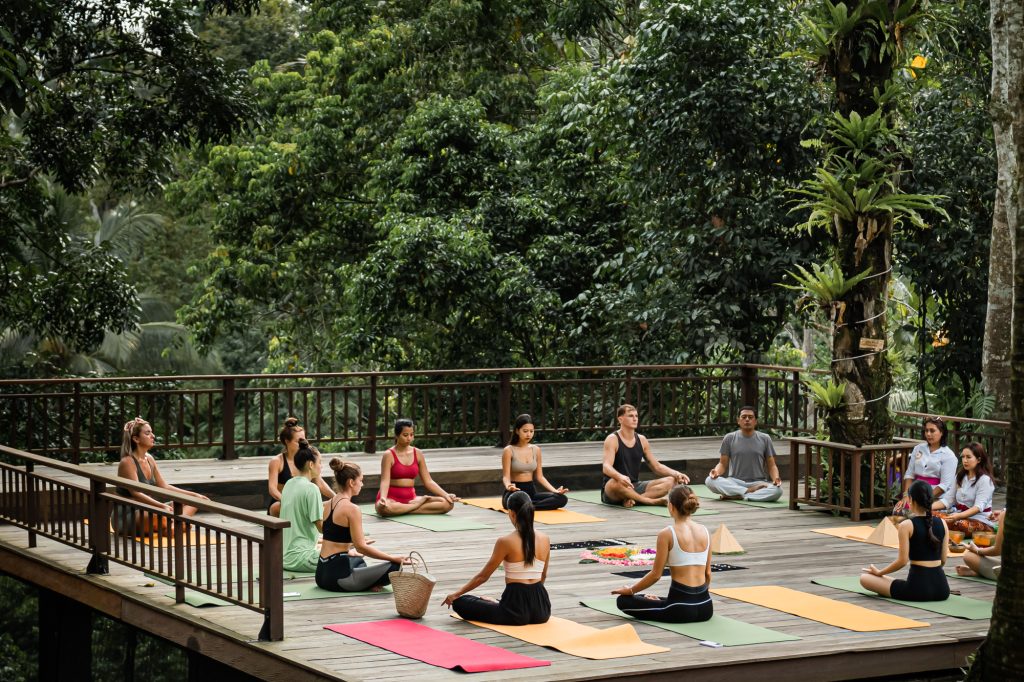
Several centres in Ubud and the highlands offer silent retreats — structured programmes of meditation, breathwork and contemplation with strict or optional silence periods. These can be profoundly powerful for the right person and deeply uncomfortable for someone who has never sat with sustained silence before. Most run 3–10 days.
What to look for: Whether silence is mandatory or recommended. The meditation tradition (Vipassana, Buddhist, secular mindfulness). Whether prior experience is required.
6. The Ayurvedic Retreat
Best for: those interested in holistic health through an ancient Indian therapeutic system
A small number of Bali retreats offer Ayurvedic programmes — dosha consultations, therapeutic treatments (Abhyanga, Shirodhara), dietary plans and herbal therapies. These are distinct from Balinese healing traditions and tend to attract guests with specific health goals. The programmes are typically longer (minimum 5–7 days for meaningful benefit) and more prescriptive.
What to look for: Whether the Ayurvedic practitioners are trained in India or Indonesia. The depth of the dietary component (full Ayurvedic kitchen or partial adherence only).
7. The Spiritual & Healing Retreat
Best for: those seeking Balinese cultural and spiritual experiences as part of their stay
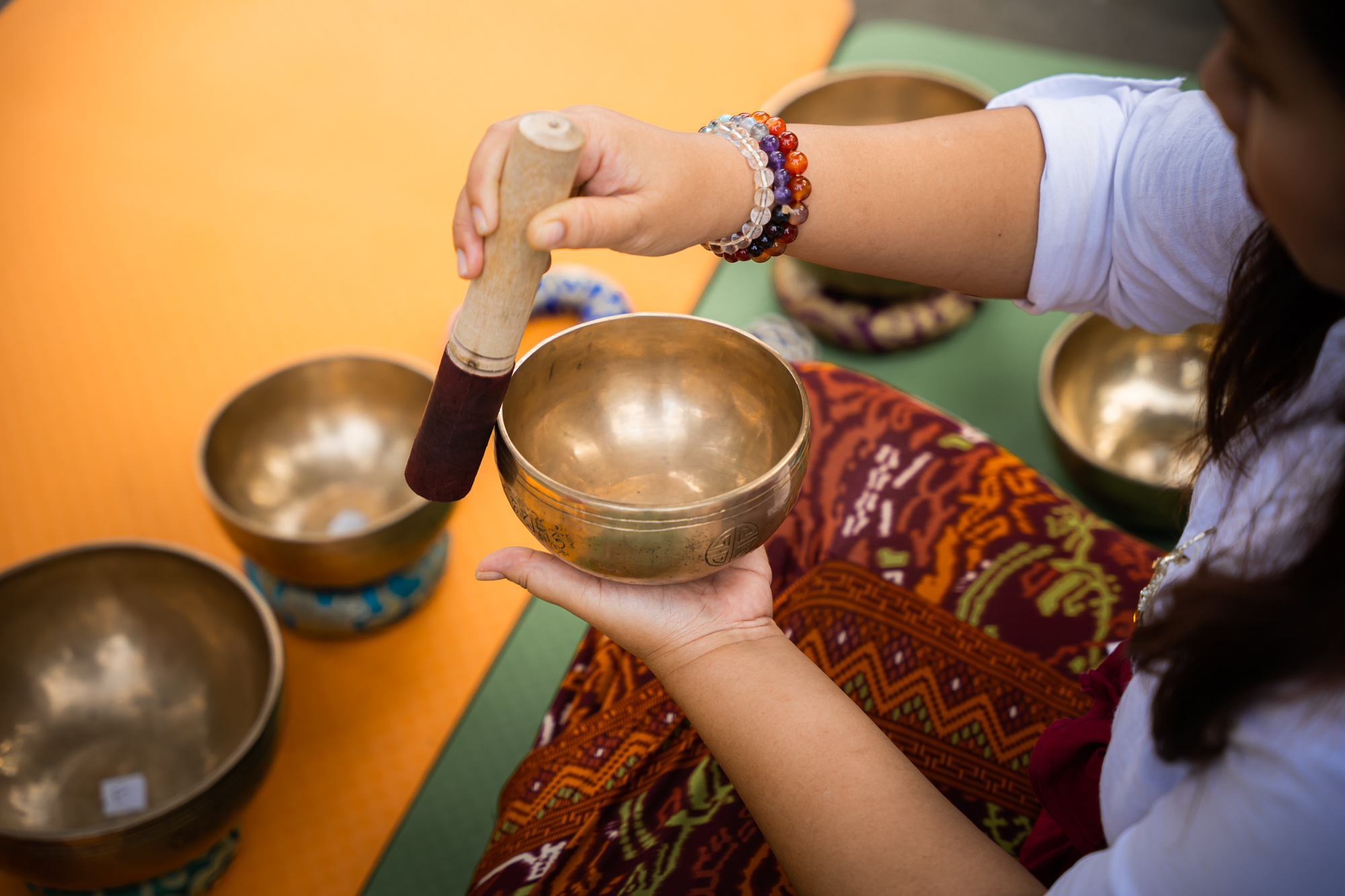
This is where Bali’s unique offering is strongest. Balinese Hinduism has an unbroken tradition of healers (balian), purification ceremonies (Melukat), sound healing and five-elements work that is genuinely distinct from anything available in Western wellness culture. The best healing retreats in Bali integrate these practices authentically — with real practitioners working within their own tradition, not adapted for tourism.
Bali Palms Soul Retreat includes a session with a Balinese traditional healer, with optional of Melukat, sound healing and five-elements healing for guests who want to go deeper.
What to look for: Whether the healing practices are led by Balinese practitioners within their own tradition, or are Western-adapted interpretations. Whether the programme respects the spiritual context of these practices.
8. The Group Retreat with a Leader
Best for: those who want a curated experience led by a known facilitator — a yoga teacher, therapist or wellness coach
Many wellness coaches, yoga teachers and therapists now run group retreats in Bali, typically 5–10 participants, built around their specific method or programme. The experience is personalised, the group is small, and the facilitator is usually the main reason people book. The accommodation and location are typically secondary.
If you are following a specific teacher or therapist you already know, these can be exceptional. For those without a specific leader in mind, the experience depends entirely on the chemistry with the facilitator — harder to assess in advance.
What to look for: The facilitator’s background and training. Whether the group size is genuinely small (under 12). Testimonials from previous participants.
9. The Detox & Fasting Retreat
Best for: those with specific detoxification goals — gut health, weight management, cleansing protocols
A handful of retreat centres in Ubud and on the Gili Islands offer structured detox programmes: juice fasting, colon hydrotherapy, raw food diets and elimination programmes. These are medical-adjacent experiences that produce real physical results for committed participants. They are not a pleasant holiday. They are also not suitable without a baseline level of physical health.
What to look for: Whether qualified health practitioners are involved. What the protocol involves in detail. Whether there is medical screening before you arrive.
10. The Flexible Escape — No Programme Required
Best for: those who are too depleted to commit to a structured programme and need rest, not more structure
Sometimes the most effective wellness retreat is the one that asks nothing of you. A private cabin, good food delivered three times a day, a pool, and no itinerary unless you want one. The Bali Palms Escape Retreat — three days and two nights — is designed precisely for this: everything is included, nothing is mandatory. If you want yoga, it is available. If you want to sit by the pool for two days and read, that is equally valid.
For guests arriving depleted, the structure of a prescribed programme can itself become another demand. The Escape retreat removes that.
What to look for: Whether the retreat genuinely allows unstructured time, or whether “flexible” in the marketing means a full schedule you can partially opt out of.
How to Choose
The clearest question to ask yourself before booking any wellness retreat in Bali is: what do I actually need — activity, stillness, community, solitude, healing or rest?
Most retreats serve one or two of those needs very well and the others less so. Matching what you need to what a retreat genuinely offers — rather than what the marketing promises — is the most reliable route to a stay that delivers.